Wood Green House Clearance — Recycling and Sustainability
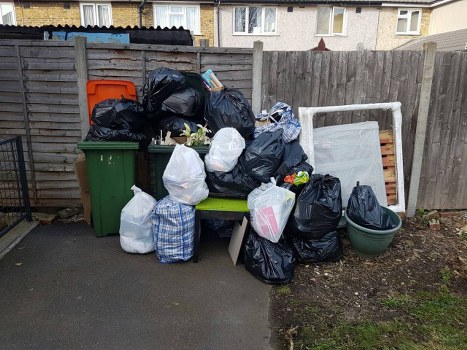
Committed to an eco-friendly waste disposal area and a practical, sustainable rubbish area, Wood Green House Clearance blends responsible disposal with community reuse. Our approach focuses on reducing landfill, promoting reuse, and working with local borough systems to make green waste clearance straightforward, measurable and accountable.Our sustainability mission
We operate with a clear aim: to lead in ecological waste management and provide a sustainable house clearance service that respects local recycling infrastructure. We prioritise materials for reuse first, recycling second, and safe disposal as a last resort. Our operations are tailored to support local recycling schemes and the boroughs’ approach to waste separation, including accepted streams for dry recycling, food waste, textiles and bulky items.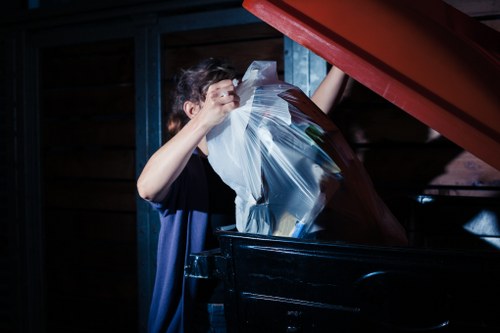 To accomplish this we collaborate with local transfer stations and civic centres, ensuring collected items are taken to the correct processing facilities. By aligning with borough-specified separation rules — for example separate streams for glass, paper/card, mixed plastics and food/garden waste in many London boroughs — we minimise cross-contamination and increase diversion rates.
Recycling percentage target
Our target: achieve and maintain a minimum 85% reuse and recycling diversion from landfill across all clearances within the next 12 months, rising to a 90% diversion goal by 2028. To reach these targets we:- Prioritise salvageable furniture and household goods for donation or resale.
- Separate WEEE (waste electrical and electronic equipment), metals, and textiles at collection.
- Route recyclable materials to accredited local transfer stations and licensed recyclers rather than landfill.
We report progress internally and review case-by-case results so targets remain realistic and verifiable. Our recycling and sustainability dashboard guides process improvements and supports transparent measurement.
Partnerships with charities and social enterprises are central to our model. We work with established organisations to maximise reuse and social value: donations of good-condition furniture and appliances are channelled to charities such as Emmaus, British Heart Foundation Reuse, and local community groups. These partnerships reduce waste while supporting vulnerable people and community projects.
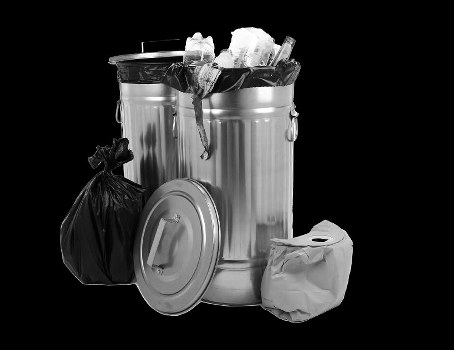 As part of these collaborations we run scheduled collections for items suitable for reuse, and coordinate with charity-run sorting centres to ensure items meet their acceptance criteria. For smaller items we maintain a rota of textile recyclers and specialist WEEE handlers so every item follows the best environmental pathway.
Where reuse is not possible, materials are separated for recycling streams (metals, timber, plastics, glass) and hazardous components are processed through licensed hazardous waste channels. This layered approach supports a sustainable rubbish disposal process that reduces environmental impact.
Low-carbon logistics are another pillar of our service. Our fleet includes electric and hybrid vans plus low-emission Euro 6 vehicles to reduce emissions in urban areas. We combine this with route optimisation software and consolidated pickups to limit mileage, cut carbon production, and maintain efficient, low-impact clearances.
Local transfer stations and authorised facilities we commonly use include borough transfer centres and regional materials recovery facilities operated under local authority contracts. By partnering with these centres, we ensure materials enter proper recycling streams and comply with local borough waste separation rules — for example, the common practice of separate collection for food/garden waste and dry recyclables in many boroughs.
Our team regularly audits outgoing loads and documents the destination of recyclables, ensuring chain-of-custody records for higher-value streams such as metals and WEEE. This level of traceability supports our recycling targets and helps demonstrate the company’s contributions to a greener circular economy.
Practical recycling activities we carry out on-site:
- Deconstruction and selective removal of fixtures to retain reusable materials.
- On-site segregation of textiles, books, electronics, metals and timber.
- Safe collection and transfer of hazardous items (paint, solvents, asbestos-checked materials) to authorised handlers.
These activities are tailored to local needs and borough-level regulations and help create a more effective sustainable rubbish area in every property we clear. Our staff are trained to spot reuse opportunities and to manage separation to meet municipal standards.
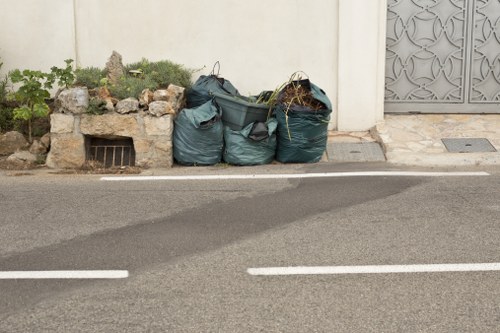 We also invest in continuous improvement: periodic sustainability audits, supplier vetting to ensure recyclers are licensed, and collaboration with local authorities to align with borough recycling campaigns. This ongoing scrutiny helps us refine the eco-friendly waste disposal processes and improve diversion rates.
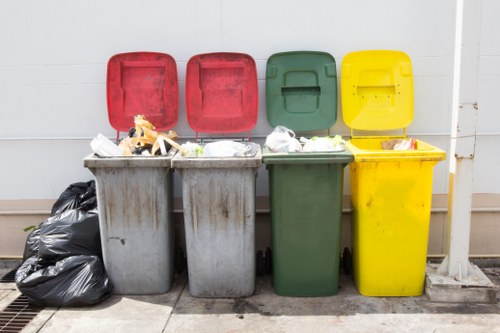 In summary, Wood Green House Clearance is committed to a practical, measurable and community-focused approach to sustainable rubbish disposal. Through ambitious recycling percentage targets, strong charity partnerships, use of local transfer stations, and a low-carbon vehicle fleet, we turn clearances into opportunities for reuse, recycling and positive local impact.
Our pledge: continue raising reuse rates, lower our operational carbon footprint, and work with boroughs and partners to keep progress visible and verifiable. Together, we create a cleaner, greener approach to house clearance and build capability for long-term, sustainable waste management.