From Garbage Pits to Recycling: The Evolution of Waste Management
Waste management is a fundamental part of modern society, impacting not only our environmental health but also our economic well-being and quality of life. Over centuries, humans have transformed the ways they deal with refuse, transitioning from basic garbage pits to sophisticated recycling processes. This comprehensive article explores how waste handling has evolved, the challenges faced, and what the future holds for the vital global practice of waste management.
The Early Days: Garbage Pits and Dumping Grounds
For much of human history, waste management was rudimentary. In ancient times, trash was often left in open pits or simply tossed away wherever convenient. This approach seemed sustainable when populations were small, but as societies grew, so did the problem of garbage accumulation.
Ancient Waste Disposal Techniques
- Garbage Pits: Early communities dug pits outside of settlements to dispose of organic and inorganic refuse.
- Landfills: The concept of covering waste with earth to control odor and pests can be traced back thousands of years.
- Midnight Dumping: In medieval cities, streets doubled as dumping grounds, leading to unsanitary conditions and frequent disease outbreaks.
Archaeological excavations from ancient Mesopotamia, Greece, and Rome reveal remnants of these early waste management systems, offering insight into how trash disposal was often an afterthought.

The Rise of Urbanization and the Sanitation Movement
The Industrial Revolution marked a significant turning point. As cities expanded at unprecedented rates, so did the volume and complexity of urban waste. New challenges emerged:
- Increased contamination of water supplies from landfill runoff
- Spread of diseases such as cholera and typhus
- Growing public health concerns due to poor waste disposal methods
The Importance of Sanitation
Key figures such as Sir Edwin Chadwick in 19th-century England advocated for organized waste removal as a public health priority. City authorities began to:
- Install sewer systems
- Implement street cleaning and waste collection services
- Establish official landfills outside city limits
This marked the beginning of modern waste management practices, shifting focus from merely discarding trash to preventing its impact on public health and the environment.
The Advent of Waste Incineration and the First Recycling Initiatives
By the late 19th and early 20th centuries, technological advancements made new treatment methods possible. Incineration--the combustion of waste at high temperatures--became a popular solution, allowing cities to reduce the volume of refuse they needed to manage.
The Birth of Recycling
- Early Metal Reuse: Wartime economies in the 20th century encouraged the collection and reuse of metals, glass, and rubber.
- Paper Recycling: Newspapers and paper goods became targets for recycling campaigns, helping to save resources and support war efforts.
While these practices were often driven by necessity, they planted the seeds for today's recycling systems and encouraged society to view waste as a potential resource rather than an inevitable burden.
The Environmental Movement and the Push for Sustainable Waste Management
The environmental awakening of the 1960s and 1970s transformed public attitudes. Events such as the publication of Rachel Carson's Silent Spring and increased awareness of pollution rallied support for more responsible waste management.
Major Milestones in Modern Waste Management
- 1970: Earth Day - Highlighted the urgent need to address pollution, inspiring local recycling programs and anti-litter campaigns.
- 1976: Resource Conservation and Recovery Act (RCRA) in the U.S. - Set standards for the safe disposal and treatment of hazardous waste.
- 1980s: Curbside Collection - Municipalities launched large-scale collection programs for paper, glass, and plastics.
These milestones marked a shift toward integrated waste management systems, combining reuse, recycling, composting, incineration, and environmentally sound landfilling.
The Modern Age: From Linear to Circular Waste Management
With the increase in global consumption and the growing awareness of resource scarcity, the linear "take-make-dispose" model of waste management became unsustainable. Modern strategies focus on the circular economy, which aims to keep products, components, and materials in use for as long as possible.
Key Principles of Circular Waste Management
- Reduce: Minimize waste at the source by designing durable, reusable products.
- Reuse: Extend the life of materials by finding new applications for old items.
- Recycle: Recover and reprocess materials such as plastic, glass, and metals.
- Recover: Extract energy or materials from waste that cannot be recycled.
Countries and cities worldwide are adopting advanced recycling technologies, incentivizing composting, and investing in smart waste management systems--such as sensor-equipped bins and automated sorting facilities.
Recycling: A Major Player in Contemporary Waste Management
Today, recycling is a cornerstone of global waste management strategies. As cities and nations strive to divert waste from landfills, new recycling processes and technologies are emerging.
Innovations in Recycling Technology
- Single-Stream Recycling: Allows residents to place all recyclables in one bin, increasing convenience and participation rates.
- Mechanical and Chemical Recycling: Breaks down plastics into their original components for reuse in manufacturing.
- E-Waste Recycling: Recovers valuable metals and components from discarded electronics.
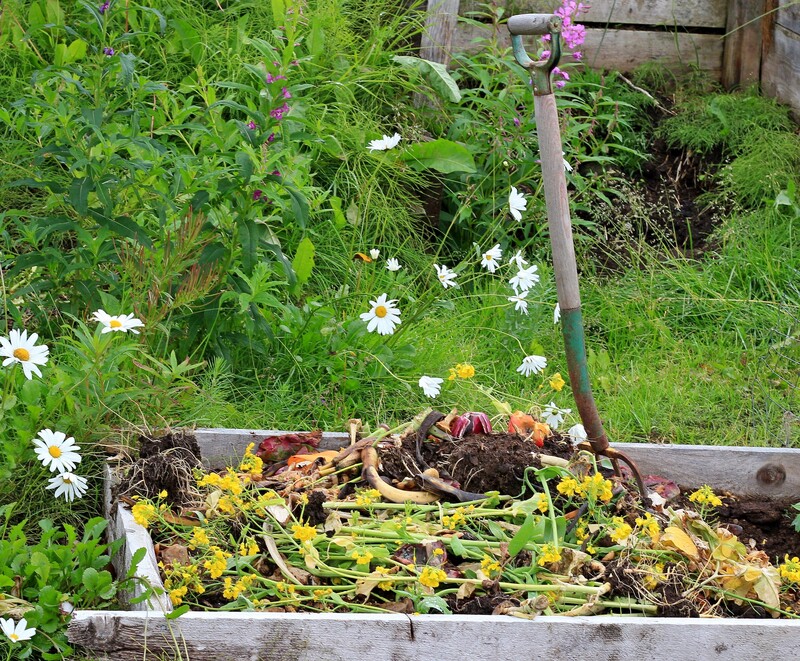
- Composting: Converts organic waste into nutrient-rich soil amendments, closing the loop for food and yard waste.
While recycling alone cannot solve all of society's waste issues, it remains a vital part of sustainable waste management and the broader push toward a circular economy.
Global Challenges and the Future of Waste Management
Despite remarkable advancements, the world faces ongoing challenges in handling garbage and recycling efficiently:
- Rising levels of plastic pollution
- Inequities in waste collection infrastructure between developed and developing nations
- Contamination of recycling streams by improper sorting and collection
- Rapidly evolving consumer habits and product materials
Addressing these problems requires innovative solutions, global collaboration, and shifts in mindset at both the industry and household level.
Solutions for a Cleaner Future
- Education and Awareness: Informing the public about proper recycling, composting, and waste reduction is crucial.
- Robust Legislation: Governments can encourage responsible product design and extended producer responsibility.
- Technological Advancements: Smart sorting systems, biodegradable materials, and AI-assisted logistics can improve efficiency.
- Global Collaboration: Sharing best practices and supporting developing countries in establishing sound waste management infrastructure.
Leading cities such as San Francisco, Tokyo, and Stockholm are setting ambitious waste diversion goals, aiming for zero-waste futures through regulation, technology, and community participation.
The Circular Economy and Waste Management's Next Chapter
The transition from garbage pits to sophisticated recycling operations is only part of the journey. The future of waste management lies in moving toward a fully circular economy, where the very concept of waste is redefined.
What Does the Future Hold?
- Widespread adoption of reusable packaging and products
- Growth of repair and "sharing economy" initiatives
- Scaling up industrial composting and bioenergy recovery
- Increased use of recycled content in manufacturing and construction
Technologies like waste-to-energy plants, enzyme-based recycling, and blockchain-enabled traceability are already paving the way for more sustainable systems.
Conclusion: From Landfills to a Greener Tomorrow
The evolution of waste management is a testament to human ingenuity and the drive to solve pressing environmental challenges. Once a matter of simply dumping refuse, it has grown into a complex science encompassing environmental protection, resource conservation, technology, and economics.
As individuals, communities, and nations, our choices matter. By fostering a culture of reduction, reuse, and recycling, and supporting the shift toward a circular economy, we can help ensure that the next step in waste management's journey moves us all toward a cleaner and more sustainable world.
Remember: Every action, no matter how small, plays a role in shaping the future of waste management--from the garbage pits of the past to the high-tech recycling centers of tomorrow.