Transform Your Workplace: Steps to Significantly Cut Down Office Waste
In a world increasingly focused on environmental responsibility, cutting office waste is no longer just a trend--it's essential for sustainable business practices. Organizations of all sizes can make a tangible difference by minimizing waste and embracing eco-friendly initiatives. This comprehensive guide will walk you through actionable steps to significantly reduce office waste, boost workplace morale, and even lower operational costs. Let's explore how to create a greener, more efficient workspace.
Why Reducing Office Waste Matters
Office waste stems from a variety of sources--paper, plastics, electronics, packaging, and even food scraps in break rooms. Excessive waste generation not only harms the environment but also affects your company's bottom line. Reducing office waste:
- Lowers landfill contributions
- Saves money on supplies and disposal costs
- Strengthens your brand's sustainability credentials
- Boosts employee loyalty and engagement
- Ensures compliance with regulatory standards
According to the EPA, the typical office worker uses about 10,000 sheets of paper annually. Imagine the environmental impact--and cost--if even a small percentage of that is saved through smarter practices!

Audit Your Current Office Waste
The first step to transforming your workplace waste management is understanding what you're throwing away. Conduct a thorough waste audit:
- Check all bins (trash, recycling, compost) and note what's being discarded
- Break down the percentages of paper, plastic, food, and electronics waste
- Identify areas of excessive or avoidable waste
- Invite input from all departments to get a complete picture
- Set a baseline so you can measure future progress
Tip: Involve employees in the process. Awareness is the first step towards change.
Implement a Digital-First Approach
Office paper waste is notorious. An effective way to reduce office waste is to digitize as many processes as possible:
- Embrace cloud document management for sharing and storing files
- Switch to e-signatures for contracts and approvals
- Send digital invoices, memos, and reports
- Discourage unnecessary printing with clear policies
- Use e-forms for feedback, HR, and internal surveys
Not only does this minimize paper waste, but it also improves workflow efficiency and enhances security.
Rethink Office Supplies & Stationery
From notepads to pens, offices typically use a wide range of consumables. Adopt smarter procurement strategies to minimize waste:
- Buy in bulk to reduce packaging waste
- Choose refillable pens and markers instead of disposables
- Opt for recycled, FSC-certified, or bamboo papers and materials
- Centralize supply storage to avoid unnecessary purchases
- Encourage a culture of "use what you need"
Green Purchasing Policies
Develop an eco-conscious purchasing policy that prioritizes durable, reusable, or recyclable items. Favor office supply vendors with sustainable values and packaging.
Promote and Improve Recycling Programs
Even with the best efforts, some waste is inevitable. Ensure your recycling systems are clear, convenient, and effective:
- Label bins clearly for paper, plastics, cans, and glass
- Position recycling bins in visible, accessible areas
- Educate employees on what can and cannot be recycled
- Partner with reliable recycling providers
- Regularly review and update your recycling guidelines
Don't forget e-waste! Set up a system for safe, responsible disposal and recycling of electronics.
Reduce Single-Use & Disposable Items
Single-use plastics and disposables are major contributors to office-generated waste. Make the transition to reusable alternatives:
- Provide reusable coffee mugs, plates, and cutlery in break rooms
- Install filtered water stations to replace bottled water
- Avoid individually wrapped snacks and condiments
- Encourage employees to bring their own lunch containers
- Offer incentives for reusable habits
These steps are simple yet incredibly effective in slashing office waste rapidly.
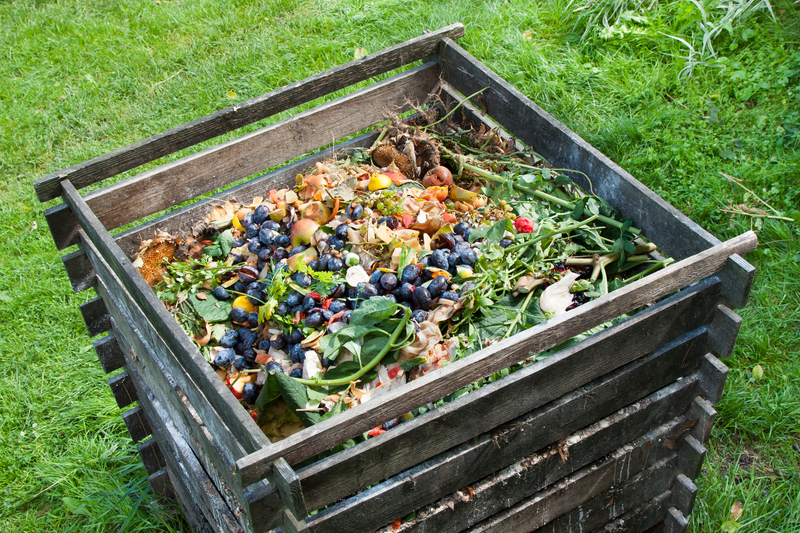
Encourage Composting Initiatives
Food waste is often overlooked. Implementing an office composting program is a smart move:
- Set up compost bins for food scraps and compostable packaging
- Train staff on what is compostable
- Coordinate with local composting services
- Use composted materials for office plants or donate to community gardens
Composting not only cuts landfill waste but can also reduce office cleaning costs and improve indoor air quality.
Tech Upgrades: Energy and Print Management
Technology can play a major role in your office waste transformation:
- Upgrade to energy-efficient printers and computers
- Default printers to double-sided, black-and-white printing
- Implement print release software to avoid abandoned, unnecessary printouts
- Use digitized communication channels for updates and notices
- Consider cloud-based file transfers over physical USBs or disks
The Benefits of Going Paperless
Integrating a paperless strategy is central to waste reduction. You'll see savings in time, resources, and storage space. Plus, digital documents are easier to search, share, and secure.
Organize Education & Employee Engagement Programs
The best waste-reduction initiatives succeed with employee involvement and buy-in. Foster a culture of sustainability in your organization:
- Host training sessions and workshops on recycling, composting, and waste reduction
- Share regular progress updates and successes via newsletters or digital dashboards
- Recognize and reward "green champions" within the team
- Invite suggestions from employees on improving sustainability
- Run friendly competitions or team challenges
Remember: behavior change starts with awareness and motivation. Make it fun, informative, and rewarding.
Choose Green Cleaning Practices
Many cleaning products and processes create unnecessary waste in the office. Switch to:
- Refillable cleaning spray bottles and reusable microfiber cloths
- Eco-friendly, biodegradable cleaners
- Bulk purchasing to minimize packaging
These simple changes can make your cleaning routine cut both chemical use and packaging waste.
Make Office Moves & Renovations More Sustainable
Office expansions, relocations, or upgrades are opportunities to reassess resource use and minimize waste generation:
- Donate, sell, or recycle old furniture and electronics rather than sending to landfill
- Work with contractors committed to sustainable building practices and material recycling
- Choose modular furniture that can be reused or reconfigured
- Purchase pre-owned office equipment where feasible
- Implement a plan for efficient packaging and transportation
Case Study: Sustainable Office Move
A top marketing firm in London donated 90% of their old furniture to local charities and recycled all outdated computers during their last office move, saving over ?20,000 in landfill fees and earning valuable community goodwill.
Monitor, Report, and Continuously Improve
Set achievable waste-reduction goals and establish systems for monitoring progress:
- Track monthly waste output by type (e.g., paper, plastic, food, e-waste)
- Review purchasing and disposal data to spot trends
- Share results with employees to maintain engagement and transparency
- Set targets and celebrate milestones
- Refine strategies based on what's working--and what isn't
Regular reviews ensure your office waste management plan adapts as your business grows.
Additional Strategies to Minimize Office Waste
- Encourage telecommuting and flexible working to reduce power and supplies usage
- Host digital instead of printed meetings and presentations
- Install occupancy sensors for efficient lighting
- Partner with other local businesses for bulk recycling or donation initiatives
- Arrange for regular collection of hard-to-recycle materials like toner cartridges or batteries
- Grow plants in the office to improve air and absorb CO2
Conclusion: Shape a Zero-Waste Office Future
Every workplace--big or small--can make a difference by cutting down office waste. Taking these practical steps will not only protect the environment but also enhance your company reputation, inspire employees, and drive cost savings.
Start with a clear plan, involve everyone in your organization, and keep improving. By embracing a commitment to sustainability, you'll shape a workplace where everyone benefits--and the planet thanks you.
For more resources and actionable tips, subscribe to our newsletter and join the movement to transform your office into a zero-waste workplace today!